Roof Replacement in Billings, MT: What Homeowners Should Know
A roof replacement in Billings, MT is one of the most significant exterior investments a property owner can make, and Montana's harsh freeze-thaw cycles make material selection especially critical for long-term protection.
How Does a Full Roof Replacement Work?
A complete roof replacement involves removing the existing roofing system, inspecting the deck for damage, and installing new materials designed to handle your local climate.
The process typically starts with a thorough inspection of the decking beneath your current shingles. If boards are soft, warped, or rotted, they need to be addressed before new materials go down. Skipping this step can shorten the life of your new roof significantly.
Once the deck is sound, underlayment is installed as a moisture barrier before the final roofing material is applied. Choosing durable materials suited to Billings winters helps prevent ice damming and wind uplift, two of the most common causes of premature roof failure in Montana.
Which Materials Work Best for Montana Winters?
Impact-resistant and wind-rated materials perform best in Billings, MT, where hail, heavy snow loads, and temperature swings put roofs under constant stress.
Asphalt shingles remain a popular choice because they balance cost, durability, and ease of installation. However, not all shingles are rated the same. Architectural or dimensional shingles offer better wind resistance than standard three-tab options, which matters when spring storms roll through the Yellowstone Valley.
Metal roofing is another strong option for Montana properties. It sheds snow efficiently, resists hail impact, and holds up well through repeated freeze-thaw cycles. The upfront investment is higher, but the long-term performance in a climate like Billings often justifies the difference.
Homeowners looking to explore roof type options in Billings before committing to a material can review the differences between common systems to find the best fit for their home or commercial building.
When Should You Replace Instead of Repair?
Replacement becomes the smarter choice when repair costs approach or exceed the value of a new roof, or when damage is widespread across multiple sections.
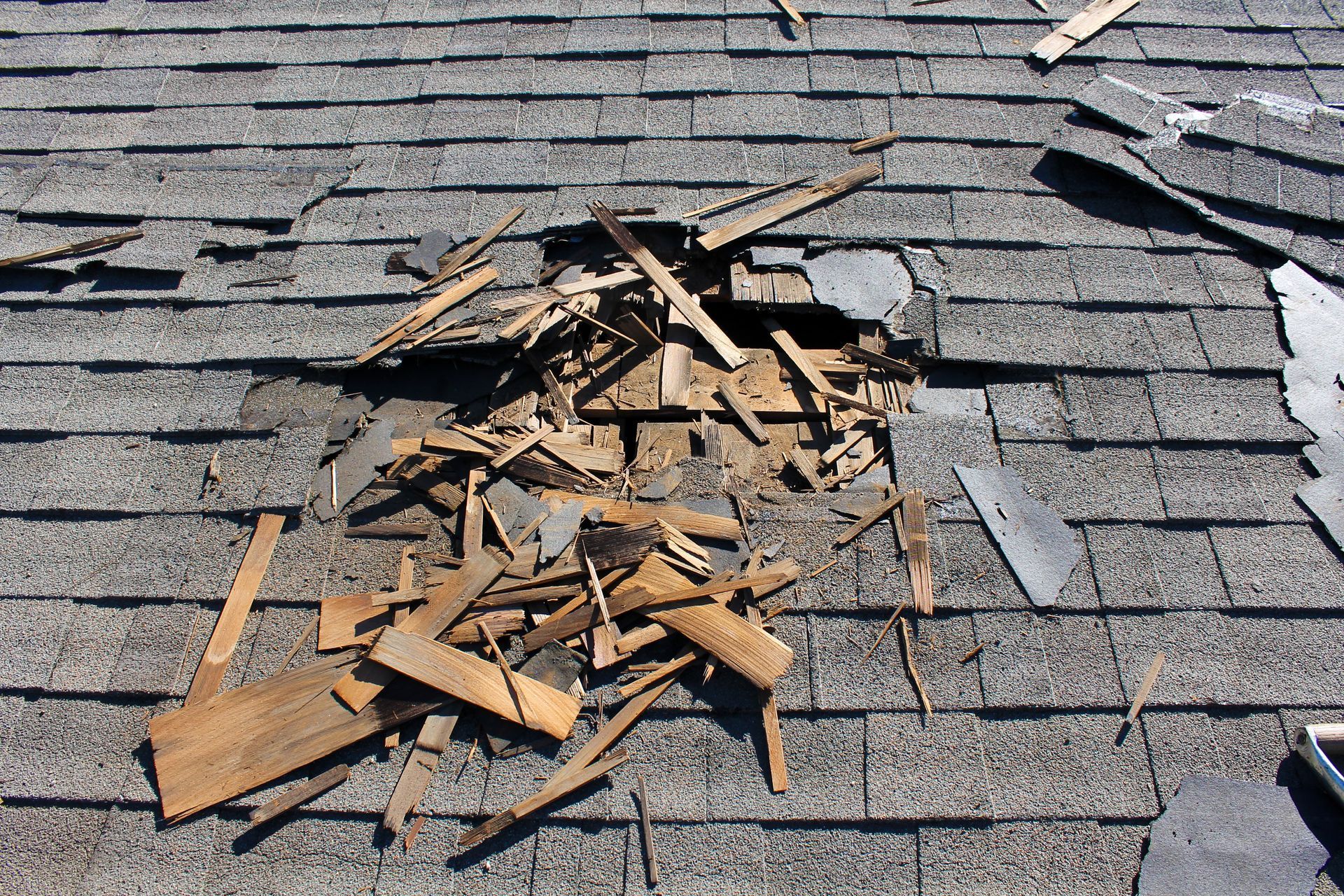
A single missing shingle or a small flashing leak is usually a repair situation. But when you are dealing with granule loss across large areas, sagging sections, or repeated leaks after previous repairs, those are signs the system has reached the end of its useful life.
Age is another factor. A roof that has been in place for several decades and is showing multiple problem areas is often better replaced entirely. Patching an aging system can become a cycle of diminishing returns, especially heading into a Montana winter.
How Billings Weather Affects Your Replacement Timeline
Billings, MT experiences wide seasonal extremes, and scheduling your replacement during mild weather windows helps ensure proper material adhesion and safer working conditions.
Late spring through early fall is generally the most practical window for roof replacement in the region. Temperatures during this period allow adhesives and sealants to cure correctly, which directly affects how well your new roof performs in the first winter season.
That said, urgent replacements after storm damage may need to happen outside ideal conditions. In those cases, experienced crews use techniques and temporary measures to protect the structure until a full installation can be completed properly.
When you are ready to move forward, you can find roofing help in Billings and connect with a team that understands the specific demands of Montana exteriors.
A well-executed roof replacement protects your home or business from the inside out, reducing the risk of water intrusion, structural damage, and energy loss over time.
Schedule a conversation with Lyman Exteriors to discuss your roof replacement needs in Billings, MT and get started on a solution built to last through Montana's toughest seasons.